notes from liguria, italy
The Lemon Trees That Kept Giving
By Margherita Patrone - July 4, 2026 - 4 min read - Issue #1
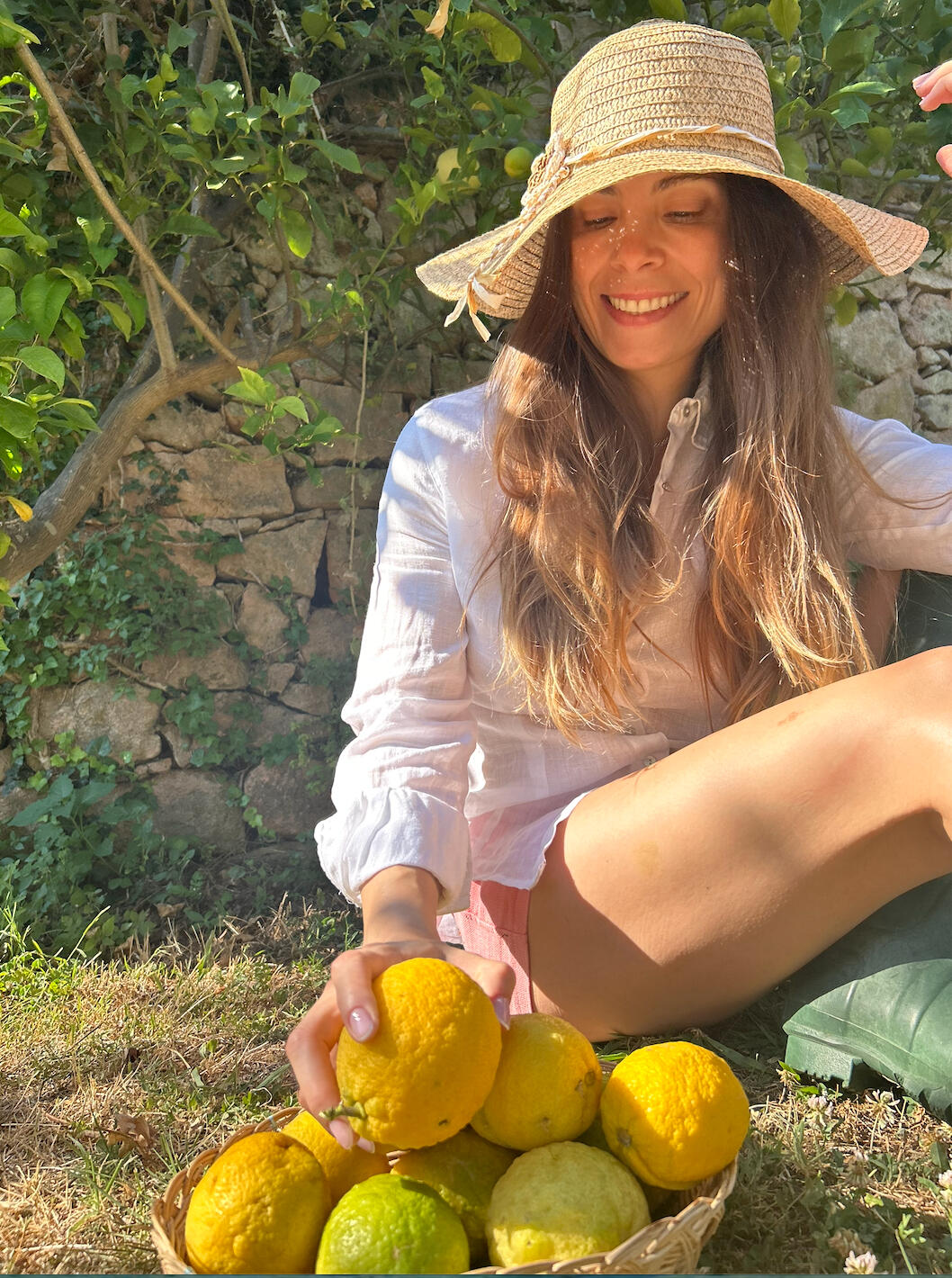
Last December, I moved back to Liguria.
After almost a decade abroad, I returned to the house where I grew up. A beautiful family home surrounded by olive trees, clementines, and a garden that changes with the seasons.
As winter settled in, most of the fruit trees appeared to be resting.
Except one.
The lemon trees.
Week after week, they continued producing bright yellow fruit. While everything else seemed to be waiting for spring, the lemons kept giving.
Before long, we had more lemons than we knew what to do with.
So we started making marmalade.
What began as a recipe soon became a ritual.
Each batch felt like a small celebration of the garden and the season. A way to preserve a season and enjoy it long after it had passed.
As we were making it, I became curious about the word marmalade itself.
Interestingly, it comes from the Portuguese word marmelada, originally used for a preserve made from quince. Today, marmalade generally refers to citrus preserves that include the peel, while jam is typically made from crushed fruit pulp.
A small distinction perhaps, but one that tells a much bigger story.
Food is never just food.
Every recipe carries history, culture and tradition. It tells us something about the people who created it and the place it comes from.
And for me, the peel is exactly where the magic lives.
Finding a proper lemon marmalade that still contains generous pieces of zest is surprisingly difficult. Most modern versions are smooth and uniform.
Ours isn't.
The zest gives it texture, fragrance and character. It creates that beautiful balance between sweetness and bitterness that makes you immediately reach for another spoonful.
Making the marmalade requires patience.
The lemons are washed, sliced, boiled twice and left overnight with sugar before being slowly cooked the following day.
Like many traditional recipes, it refuses to be rushed.
But what we discovered after making several batches is that there isn't one perfect version.
One of our first batches cooked for longer and became wonderfully dense, with deeply caramelised strips of lemon zest.
We started serving it alongside a square of dark chocolate and an espresso coffee.
What a treat.
The bitterness of the chocolate, the sweetness of the marmalade and the intensity of a good Italian espresso created one of those simple moments that somehow feel incredibly luxurious.
Later batches were different.
We shortened the cooking time slightly and created a softer, more spreadable marmalade. This version became our favourite breakfast companion, spread over warm bread or added to our daily Greek yogurt bowl ritual. The freshness of the lemon works beautifully with the creaminess of the yogurt.
The recipe remained the same.
The experience completely changed.
Around the same time, we started working on the labels for the jars.
Not because we planned to sell them, but because we wanted them to feel special when shared with friends and family.
The label features a drawing of our house.
A small detail, perhaps.
Yet it transformed the jars from homemade preserves into something that carried a story.
And that got me thinking.
In my professional life, I've spent more than a decade working with some of the world's most loved food and beverage brands.
One thing I've learned is that consumers rarely fall in love with products alone.
They fall in love with the role those products play in their lives.
A morning coffee.
A birthday cake.
A family recipe passed from one generation to the next.
The best brands understand this instinctively.
Products matter.
But rituals, memories and meaning are often what make them memorable.
Every time we open a jar, it reminds us of the garden, the season and the afternoons spent experimenting in the kitchen.
Perhaps that's why I enjoy making it so much.
Not because it's marmalade.
But because it's a small reminder that some of the most valuable things in life are created slowly, shared generously and enjoyed together.
Our Lemon Marmalade Recipe
Ingredients:
2 kg organic lemons
1.3 kg sugar
Method:
Wash the lemons thoroughly under cold running water. Remove the ends and slice them very thinly.
Place the lemons in a large pot and cover with water. Bring to a boil, switch off the heat and leave to rest for 30 minutes. Drain completely.
Repeat the process with fresh water: bring to a boil, leave to rest for 30 minutes and drain again.
Place the lemons in a pot with the sugar and leave overnight in the refrigerator.
The next day, bring the mixture slowly to a boil and cook over low heat for 20–30 minutes, stirring frequently.
For a thicker marmalade with caramelised zest, cook a little longer.
For a softer, more spreadable version, stop a little earlier.
Pour into sterilised jars while still hot, seal immediately and turn the jars upside down until completely cool.
A Question For You
What is a food, recipe or family ritual that instantly makes you feel at home?
I'd love to hear your story.
Until next Saturday,
Margherita
See you next week!